Now hiring at all locations! Hourly wages starting at $16+ Apply Here.









Now hiring at all locations! Hourly wages starting at $16+ Apply Here.
 All insurance accepted
Free retinal imaging
Now accepting new patients

2438 N Lebanon Street, Suite 300,
Lebanon IN 46052
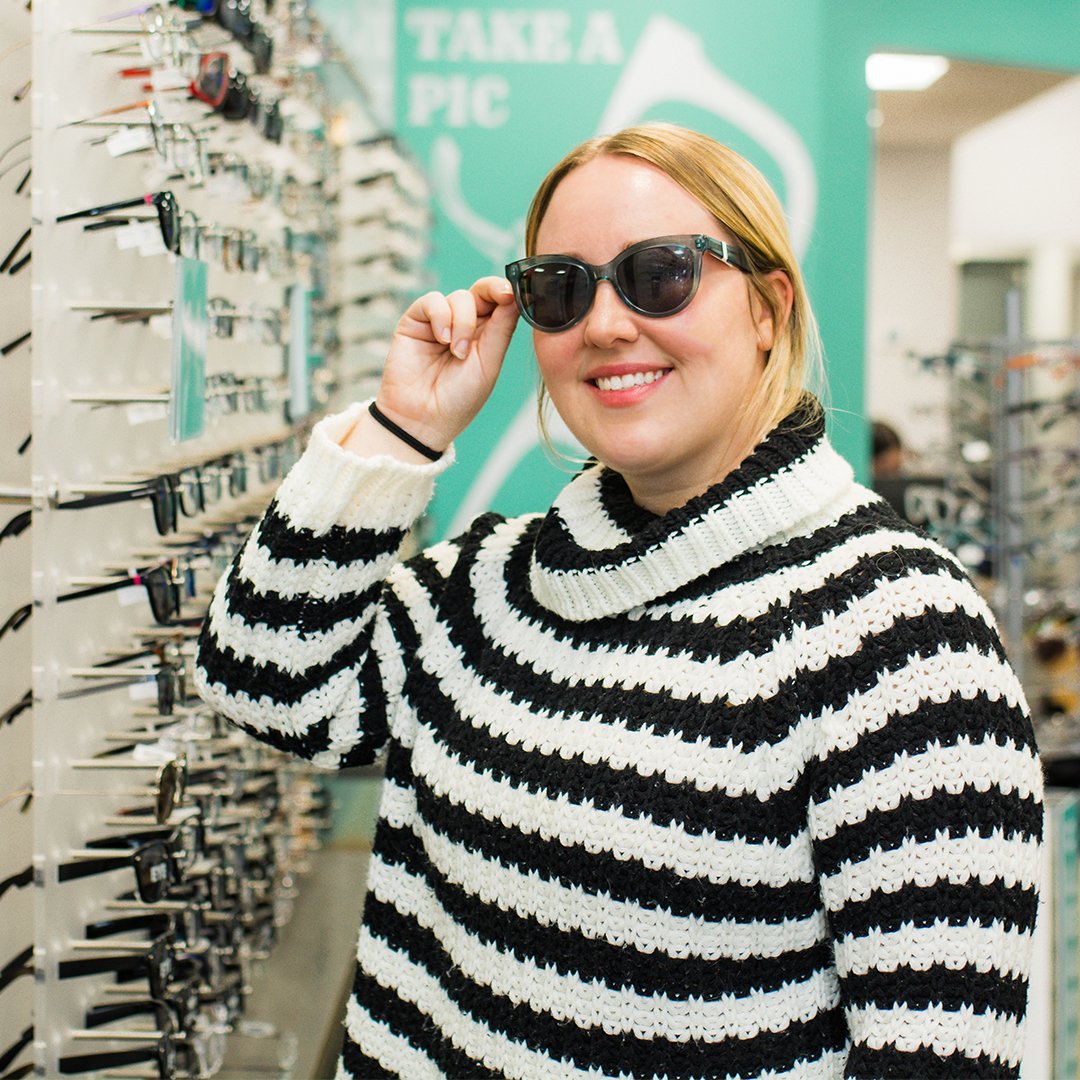
Dr. Tavel is dedicated to helping Hoosiers see better, look better, and feel better. For a limited time, you’ll receive FREE prescription sunglasses with a purchase of a complete pair of glasses at our Lebanon location.
Upgrade to a designer pair of glasses for only $99.Free sunglasses include single-vision or bifocal lenses. See location for details.
Check out our Offers page for more everyday savings.
Schedule Your ExamAt Dr. Tavel in Lebanon, we accept all vision insurance plans including, VSP, EyeMed, Medicaid and HIP. Our insurance experts will help you maximize your benefits and take care of all your insurance needs. At your appointment, our team will review your insurance and focus on getting the most out of your plan so you can focus on seeing and looking your best. We want you to get the best possible eyewear to best meet your vision needs.
Good news, you can use them with your insurance! Some vision insurance benefits expire before the end of the year. Not sure what’s covered this year? Give us a call or ask during your appointment.
We Have You Covered. We know healthcare costs can add up quickly, especially with glasses or contact lenses. To make your eye care costs easier and worry-free, we have different options to help you save.
We offer Sunbit at all locations! Sunbit is a new way to pay for your eye care with simple and flexible monthly payments. This flexible payment solution gives you more choices when selecting an eyewear style that won’t affect your vision.
Our Sight Savings Club is designed to help you see your best at the most affordable price. When you buy an annual supply of daily contact lenses, you’re eligible for yearlong benefits including free prescription sunglasses, 20% off all eyewear, discounted $10 contact lens fitting when you make an appointment within 13 months, and more.



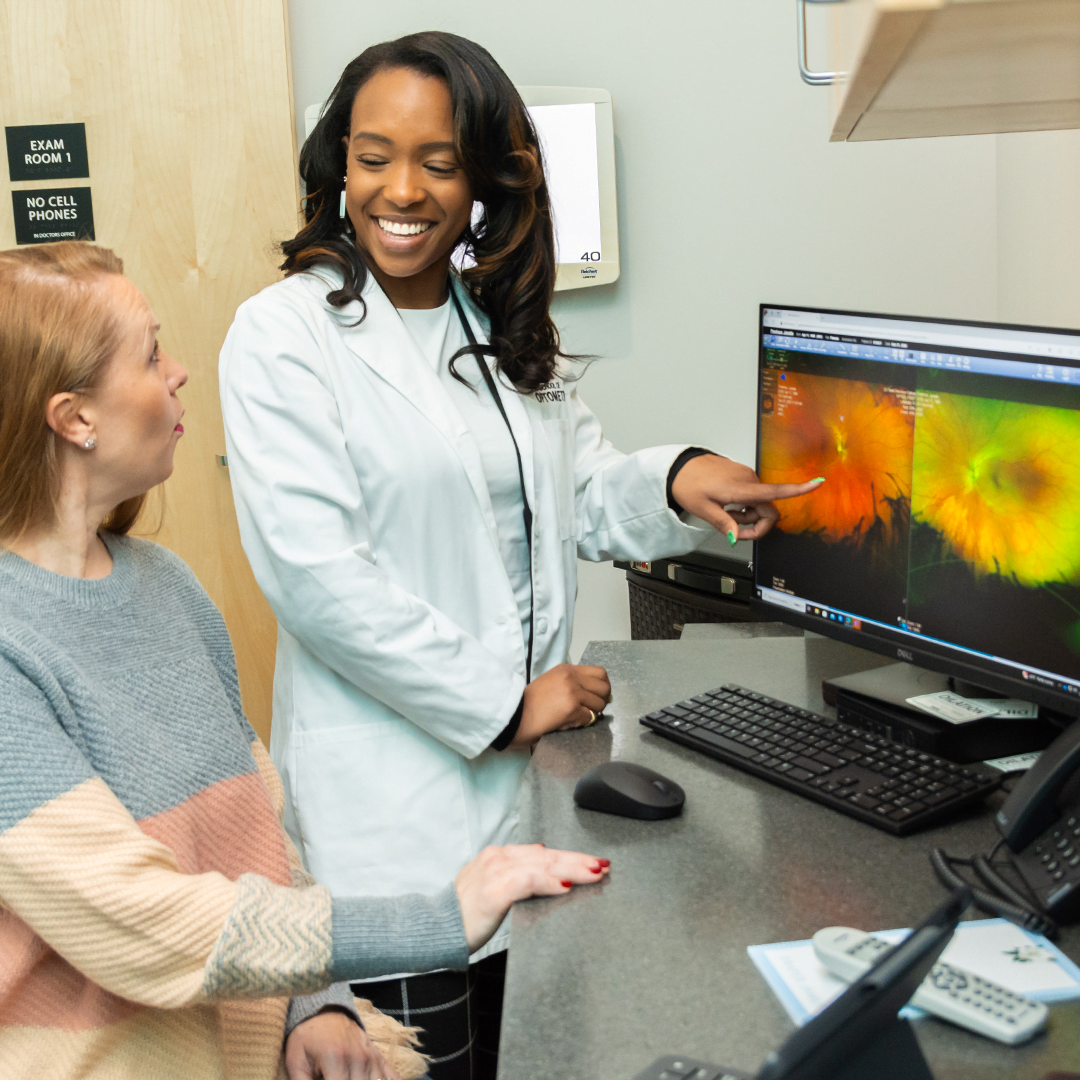
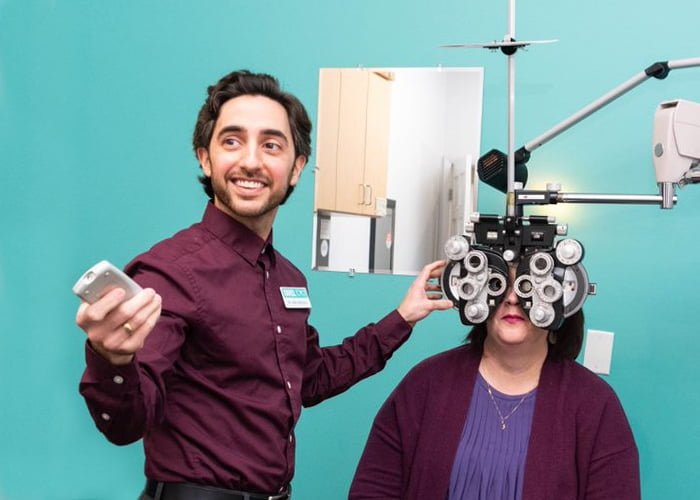
We understand that every patient has unique needs for their vision health. Our doctors use Optomap ultra-widefield retinal imaging in every eye exam they perform, which provides a quick, accurate, and tangible medical assessment of your eye health. Unlike other eye care providers, we provide this service completely FREE with each eye exam.
Optomap retinal imaging uses a high-tech camera to take high-resolution images, displaying over 80% of the retina. The process is quick and painless and doesn’t involve using eye drops.
By doing this, our doctors can quickly diagnose serious or chronic health conditions, such as glaucoma, diabetes, high blood pressure, melanoma, and macular degeneration. Our doctors walk through every detail of your eye exam findings and answer any questions you may have, so you feel confident in the prescribed recommendations for your eye care.
See the difference Dr. Tavel can make in your vision. Schedule your exam online today.
Schedule Your Exam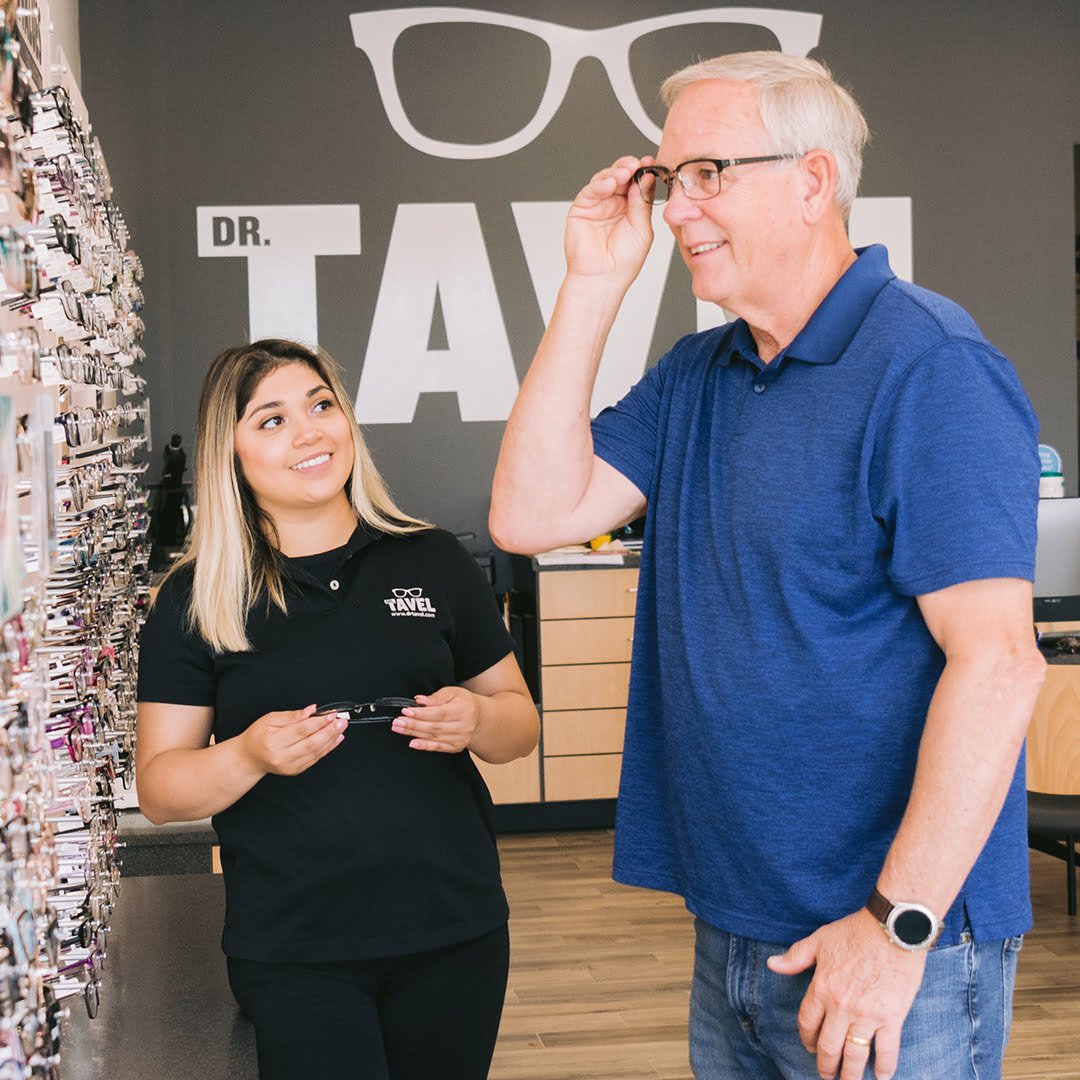
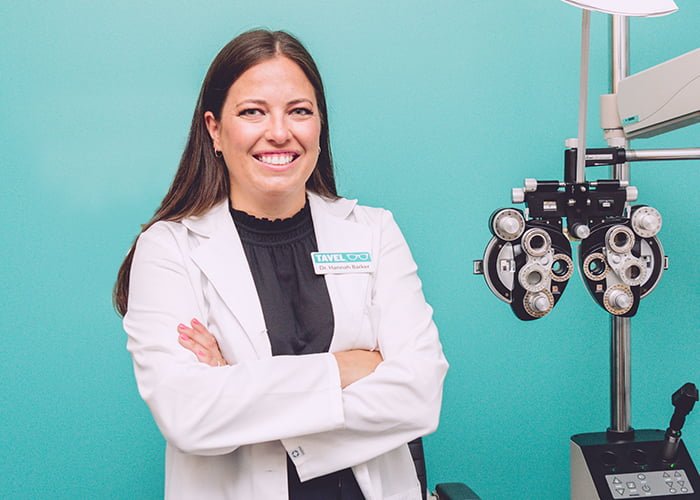
Our mission to help Hoosiers see better, look better, and feel better began over 80 years ago. Our tradition of providing spectacular eye care for the whole family has continued with knowledgeable eye doctors delivering superior service. At Dr. Tavel in Lebanon, our team of passionate and experienced optometrists provides Hoosier families with top quality, affordable, eyecare.
Get custom eyewear for your lifestyle.Our opticians provide spectacular service to every patient we see. From frame and lens selection to contact lens fittings, our team will ensure you find the perfect fit to best suit your eyewear needs.
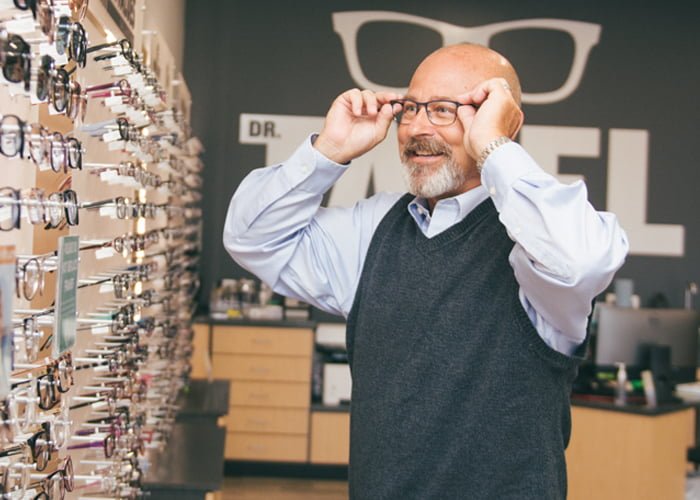
Schedule Your ExamDr. Tavel has the largest selection of frames in a wide variety of trendy styles waiting to be tried on. We carry today’s top brands and designers including COACH, Nike, Kate Spade, Michael Kors, Ray-Ban, Oakley and more.
Whether you’re shopping for bold colors or looking for a more classic frame shape, we’re confident you’ll find the perfect pair from our large selection of prescription eyeglasses. Come in to browse our different collections of stylish glasses and get our spectacular fit experience that’s customized to you!






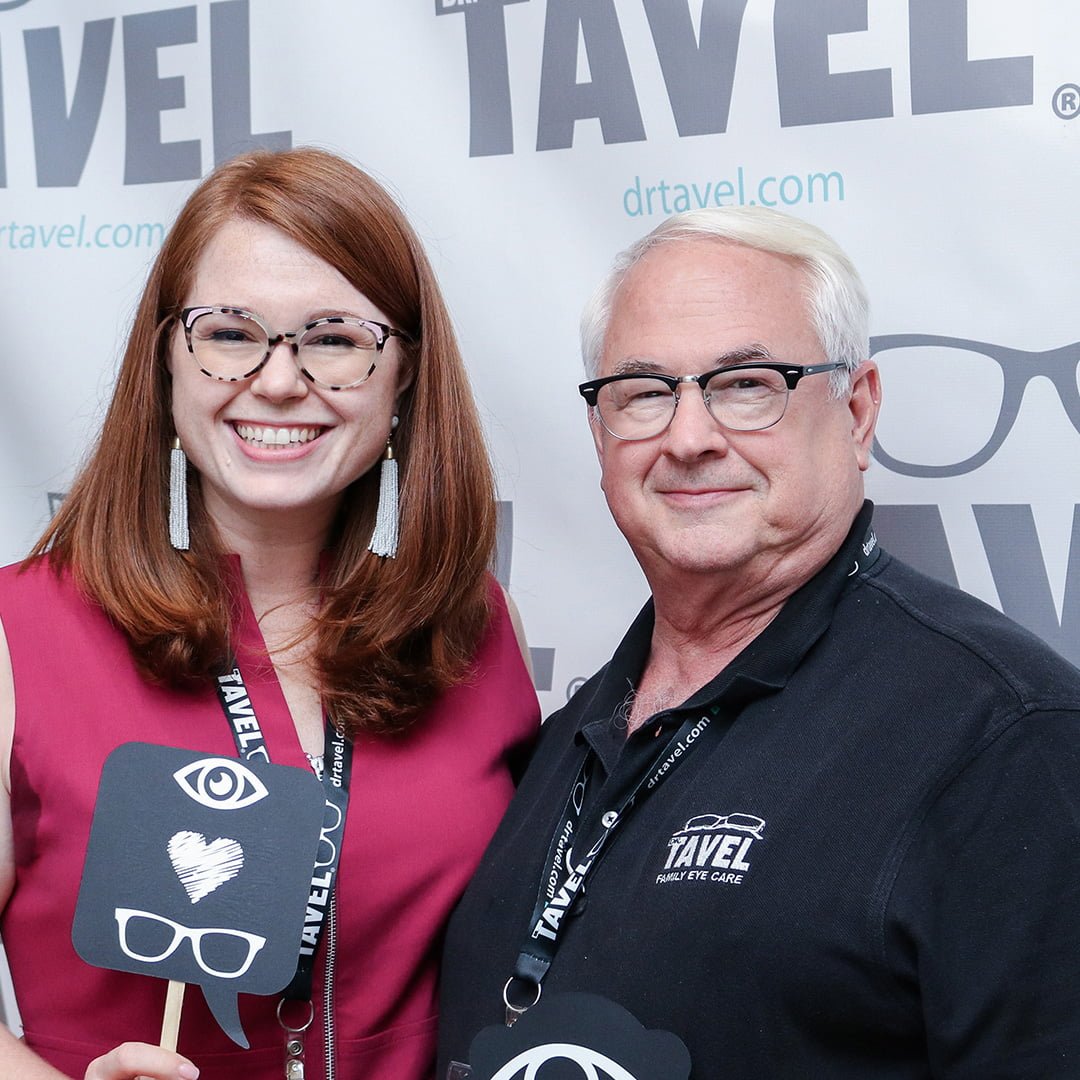
Mollie Kaback-Tavel (Daughter)
& Larry Tavel, MD (Owner)
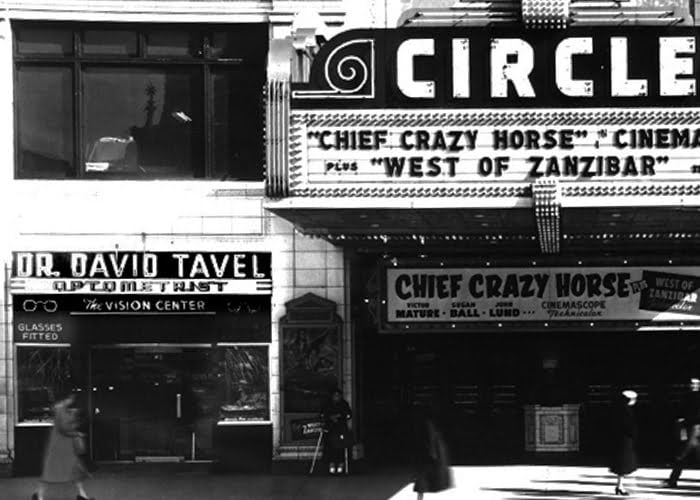
Dr. Tavel is a family-owned business operating 24 office locations across Indiana. In 1940, after serving his country as a captain in the Air Force during WWII, Dr. David Tavel began his optical career and opened the first Dr. Tavel office in the Claypool Hotel in Downtown Indianapolis.
After more than 80 years of business, Dr. David Tavel’s original vision to help Indiana residents maintain quality vision and find their perfect pair of eyewear remains true today.
Our highly knowledgeable optometrists offer a range of eye health services that help patients correct and protect their vision. Each Dr. Tavel location carries a wide selection of affordable and designer eyewear for women, men, and kids, as well as an expansive variety of contact lens options to fit your lifestyle.
Our Mission: Dr. Tavel provides Hoosier families with top quality, affordable, eye health services and eye care products while delivering an outstanding patient experience…And that’s a promise from the Doctor.Schedule Your Exam